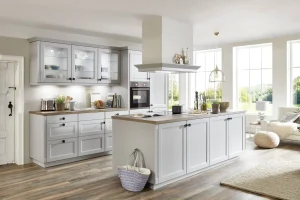
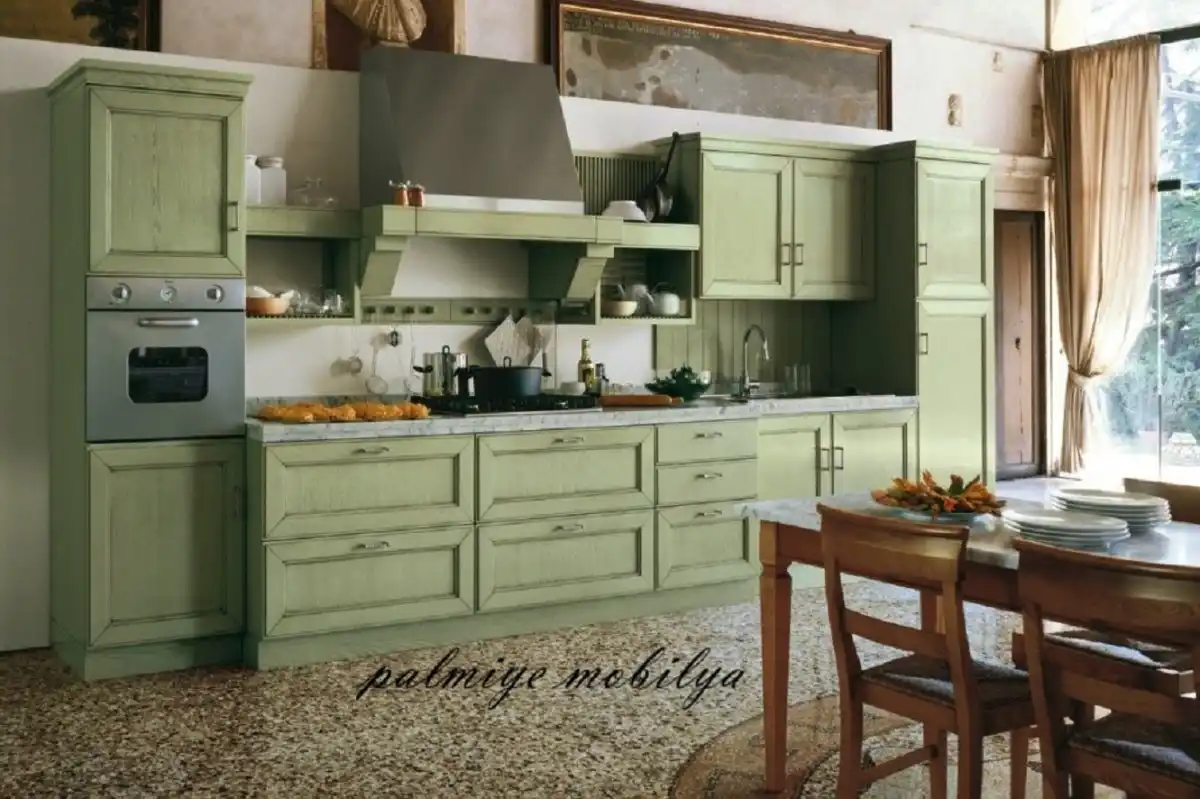
Louvered Door Kitchen Bathroom Manufacturing Turkey
Louvered Door Kitchen Bathroom Manufacturing Turkey: The Comprehensive Engineering, Production, and Global Procurement Standards Guide
The convergence of architectural aesthetics and high-performance material science has transformed how modern developers, architects, and procurement managers source spatial components. At the absolute apex of this trend is Louvered Door Kitchen Bathroom Manufacturing Turkey, an industrial powerhouse sector that has systematically positioned itself as the premier global destination for luxury, ventilated cabinetry.
Kitchens and bathrooms represent the most challenging microclimates in any residential or commercial building. High relative humidity, persistent ambient moisture, frequent water splashes, and thermal fluctuations demand cabinetry components that resist swelling, delamination, warping, and bacterial growth. Turkey’s advanced wood-processing complexes have successfully addressed these engineering issues by marrying Industry 4.0 automation with precision joinery and advanced chemical finishes. This masterclass guide provides an exhaustive, engineering-grade breakdown of Louvered Door Kitchen Bathroom Manufacturing Turkey, analyzing material sciences, computerized manufacturing workflows, structural aerodynamics, surface preservation, and cross-border supply chain mechanics.
1. The Macroeconomic Foundations of Louvered Door Kitchen Bathroom Manufacturing Turkey
The global ascent of Louvered Door Kitchen Bathroom Manufacturing Turkey is neither accidental nor purely cost-driven. It is the result of a deliberate, multi-decade industrial modernization program combined with the country’s strategic geographical location, which bridges the European Economic Area, the Middle East, North Africa, and Central Asia.
The Ecosystem of Synergistic Industrial Clusters
Cabinetry manufacturing in Turkey is organized into highly specialized, dense industrial zones. These clusters integrate raw timber processing, chemical adhesive formulation, advanced tool design, and global logistics networks into a single, fluid ecosystem:
- İnegöl (Bursa): Widely regarded as the woodworking epicenter of the Eastern Mediterranean, İnegöl hosts mega-scale automated production plants that specialize in modular cabinetry systems, mass-customization, and standardized export lines destined for global retail and multi-family residential projects.
- Ankara (Siteler): Celebrated for its legendary heritage of artisan craftsmanship, Siteler integrates traditional solid wood carving, bespoke framing, and high-complexity joinery with modern 5-axis CNC machining, making it the primary hub for premium, luxury-grade custom louvered components.
- Istanbul Peripheral Hubs (Gebze, Hadımköy, Tuzla): Highly integrated with premier chemical industries and major maritime ports. These facilities lead the industry in technical research, specialized moisture-resistant finishes, and rapid-response OEM/ODM manufacturing for major international hotel chains and premium real estate developments.
- Kayseri: Dominated by highly capitalized, high-capacity industrial complexes that optimize automated component manufacturing, allowing for massive economies of scale that attract global distributors, wholesalers, and real estate developers.
Regulatory Alignment and International Standards Compliance
Turkish manufacturers do not simply design for domestic tastes; they engineer products that comply strictly with the world’s most stringent technical codes. Products emerging from the Louvered Door Kitchen Bathroom Manufacturing Turkey supply chain are built to conform with European Standards (EN), British Standards (BS), American National Standards Institute (ANSI/KCMA) requirements, and green building environmental certifications (such as LEED and BREEAM).
2. Structural Engineering and Aerodynamic Anatomy of Louvered Cabinet Doors
A louvered door is fundamentally different from a flat-panel or shaker-style door. It is an intricate assembly composed of dozens of precision-milled slatted elements held under tension within a heavy-duty perimeter frame. The mastery of Louvered Door Kitchen Bathroom Manufacturing Turkey lies in the exact engineering of this anatomy to ensure long-term dimensional stability and functional superiority.
Technical Anatomy of the Assembly
- Stiles (Vertical Stiles): The vertical side rails that form the outer boundary of the door. These components bear the mechanical load of the hinges, resist gravity-induced sagging, and provide the deep mortise pockets that hold the horizontal rails and louvers.
- Rails (Top and Bottom Rails): The horizontal frame structures that lock into the vertical stiles. In kitchen and bathroom configurations, the bottom rail is often engineered to be substantially wider than the top rail to lower the center of gravity and provide high structural stability.
- Louvers (Slats / Blades): The thin, precisely profiled wooden or engineered slats positioned horizontally inside the frame. The angle, depth, and distance between these slats dictate both the visual shadow lines and the total airflow capacity.
- Central Mullion (Stile/Rail Dividers): Integrated into tall pantry towers or full-height bathroom utility cabinets. The mullion splits the horizontal span of the slats, cutting down on material flex and completely preventing bowing or distortion over decades of heavy service.
True Open Louvers vs. Closed (False) Louvers
When procuring within the Louvered Door Kitchen Bathroom Manufacturing Turkey sector, specifiers choose between two distinct structural designs based on the specific environmental requirements of the application:
1. True Open Louver Design
In a true open louver door, every individual slat floats within its routed slot with a precise physical gap separating it from the adjacent slats, establishing an unobstructed, continuous airway through the cabinet front.
- Engineering Advantage: Promotes passive, continuous ventilation. This is critical under kitchen sinks, inside bathroom vanity units, around built-in washing machines, and inside linen closets, where stagnant air would otherwise rapidly lead to moisture accumulation, bad smells, and structural mold.
- Manufacturing Challenge: Requires absolute milimetric precision in the slotting angle and depth, along with localized space allocation for natural wood movement.
2. Closed (False) Louver Design
In this setup, the exterior face displays the identical overlapping look of traditional louvers, but the blades are either machined out of a single solid multi-layered board using advanced CNC milling or are fixed directly against a solid backing sheet of moisture-resistant plywood or HDF.
- Engineering Advantage: Offers total visual privacy and prevents any dust, cooking grease, or external liquid splashes from migrating inside the cabinet carcass.
- Manufacturing Advantage: Provides a rigid, monolithic structural leaf that is exceptionally easy to clean and maintain, making it highly suitable for standard upper kitchen dry-goods storage or cosmetic shelving units.
3. Material Science: Solving the Moisture and Humidity Equation
Kitchens and bathrooms are notorious for subjecting timber products to extreme hygroscopic stress. Steam from showers, boiling water from cooking pots, standing water on vanity countertops, and localized leaks will rapidly ruin low-grade, poorly conditioned cabinetry. The exceptional global reputation of Louvered Door Kitchen Bathroom Manufacturing Turkey stands on a foundation of scientific material selection, seasoning, and chemical enhancement.
Optimal Timber Species and Engineered Cores
Turkish manufacturers deploy a diverse arsenal of wood species and advanced engineered substrates designed specifically to withstand high-moisture environments:
European Oak (Quercus robur)
A dense, heavy hardwood characterized by rich, complex grain patterns and exceptional mechanical strength. Oak possesses a high concentration of natural tyloses within its cellular structure, which blocks capillary water movement and provides excellent organic resistance to rot and water penetration.
Siberian Larch (Larix sibirica)
A highly resinous softwood that thrives in cold climates, producing an incredibly dense growth-ring structure. The natural water-blocking resins within larch make it a premier choice for open-ventilation bathroom cabinets that face frequent direct water contact.
Laminated Veneer Lumber (LVL) & Finger-Jointed Pines
For internal structural stiles and rails, Turkish factories regularly utilize finger-jointed solid pine cores wrapped in hardwood veneers. Finger-jointing removes natural defects (like knots and resin pockets) and splices short pieces of straight-grained timber together using high-pressure geometric interlocking joints. This process neutralizes the internal twisting stresses of the timber, resulting in an engineered frame component that remains dead-straight permanently.
Moisture-Resistant MDF (MR-MDF / V313)
For lacquered, ultra-smooth solid color louvered installations, Turkish producers utilize premium green-core MR-MDF. This engineered board is manufactured using advanced polyurethane-based or melamine-urea-formaldehyde (MUF) resin systems that form a highly hydrophobic internal bond, limiting thickness swelling to negligible levels even under prolonged water immersion testing.
Automated Kiln Drying and Thermal Conditioning Standards
Raw lumber is never allowed on a high-speed Turkish processing line. It must first undergo a rigorous, computer-controlled kiln drying and thermal stabilization protocol:
- Target Moisture Equivalence: Timber destined for the production lines is systematically dried down to a stabilized moisture content of 6% to 8% for arid or highly air-conditioned markets (such as North America and the Gulf countries) and 8% to 10% for European coastal climates.
- Cellular Stress Release: Dehumidification kilns execute gentle cooling cycles that equalize the internal tension of the wood fibers. This conditioning suppresses the wood’s hygroscopic memory, preventing the delicate, thin louver slats from twisting, warping, or cracking when exposed to the cycling steam of a modern domestic bathroom.
4. Advanced Manufacturing Processes and Joinery Engineering
The high density of individual components within a louvered cabinet assembly leaves no room for manual calculation or basic shop tools. The modern factories driving Louvered Door Kitchen Bathroom Manufacturing Turkey are automated environments operating on advanced CAD/CAM software platforms and Industry 4.0 mechanics.
The Precision Manufacturing Workflow
The production cycle of a premium louvered kitchen or bathroom component involves several highly controlled engineering stages:
[Raw Timber Selection] ---> [Automated Kiln Drying] ---> [Optimized Rip-Sawing]
                                                                |
[Hydraulic Pressing] <--- [D4-Resin Assembly] <--- [CNC Louver Slot Milled]
          |
[Brush-Sanding Lines] ---> [Electrostatic Spraying] ---> [Quality LED Control Audit]
Step 1: Optimized Sizing and Defect Scanning
Raw timber or MR-MDF panels are processed through automated rip-saws and panel cut-up centers integrated with laser optimization software. High-resolution optical sensors scan the boards to identify and automatically trim out any micro-fractures, density variations, or structural defects, ensuring that only flawless material advances to the shaping lines.
Step 2: CNC Multi-Spindle Louver Slot Milling
The stiles must be machined with an array of angled slots to accept the louvers. To execute this efficiently, Turkish factories deploy custom multi-spindle louver slotting machines or specialized 5-axis CNC machining centers. The cutting tool mills the depth (typically 8mm to 12mm), the exact angle (varying from 30 to 45 degrees), and the precise pitch (spacing between slats) concurrently. Because the cutting path is dictated entirely by digital vectors, the variance across a run of thousands of doors is kept within an extraordinary tolerance of under 0.05mm.
Step 3: High-Performance Profile Shaping
The individual louver slats are passed through high-speed through-feed molders equipped with diamond-tipped cutter heads revolving at up to 12,000 RPM. This creates an incredibly smooth, aerodynamic profile with gently eased edges, optimizing the slat for both natural airflow and paint adhesion.
Step 4: Structural Corner Joinery Integration
The structural integrity of the outer door frame depends entirely on the stile-to-rail interface. Turkish producers reject simple dowel configurations in favor of high-performance architectural connections:
- Deep True Mortise and Tenon Joints: A precision-machined solid tenon on the rail inserts deeply into a matching enclosed mortise pocket inside the stile, providing maximum mechanical surface area for chemical bonding and structural rigidity.
- Counter-Profiled Miters (Cope and Stick): The edges are interlocked with a complex system of tongue-and-groove profiles that self-square the frame upon assembly, preventing sagging over the product lifecycle.
Step 5: Adhesive Chemistry and Hydraulic Pressing
The frame components and louvers are assembled using Class D4 water-resistant structural wood adhesives or high-strength Polyurethane (PUR) hot melts. D4 adhesives represent the gold standard for wet environments, chemically engineered to remain completely unaffected by boiling water, steam, or localized plumbing leaks. The assembled unit is transferred into heavy pneumatic door-clamping machines that apply uniform multi-directional hydraulic pressure across all four corners simultaneously, forcing out micro-air pockets and securing absolute squareness (90° corner accuracy) as the glue bonds.
5. Surface Preservation and Advanced Chemical Coating Technologies
An excellent structural design will quickly fail in a wet kitchen or bathroom if the outer protective coating is insufficient. Given the vast surface area and the numerous hard-to-reach recesses between louver slats, the finish must be flawless. Louvered Door Kitchen Bathroom Manufacturing Turkey relies on specialized finishing lines to achieve absolute, multi-layered envelope protection.
Linear Brush-Sanding Systems
Standard wide-belt flat sanders cannot reach inside the angled channels of a louvered door. Turkish production lines integrate heavy-duty automated brush-sanding lines. These machines feature rotating, oscillating carousels fitted with flexible abrasive structural brushes that slip effortlessly into the recessed slat pockets. This eliminates micro-burrs and smooths the wood grain uniformly across all surfaces, ensuring that subsequent primers and topcoats adhere perfectly without forming rough spots or thin areas along the sharp edges.
Technical Coating Matrix for Wet Microclimates
| Coating Technology | Resin Chemistry | Water/Moisture Resistance Rating | Aesthetic & Functional Best-Use Case |
|---|---|---|---|
| Two-Component Polyurethane Lacquer | Cross-linked PU with aliphatic isocyanate hardeners | Extreme (Class 4) – Forms an impenetrable, flexible polymer skin over the timber substrate. | High-traffic modern kitchens and family bathrooms requiring solid matte or high-gloss pastel tones. |
| Aliphatic Acrylic Topcoats | UV-curable non-yellowing acrylic polymers | High (Class 3) – Absolute clarity; entirely prevents light-induced timber yellowing under sun exposure. | Preserving the raw, organic grain beauty of natural Walnut, Oak, and Ash veneers. |
| Waterborne Anti-Microbial Coatings | Low-VOC acrylic-polyurethane water dispersions | High (Class 3) – Eco-friendly option infused with silver-ion technology to stop fungal development. | Eco-luxury residences, wellness centers, and premium medical-grade bathroom environments. |
| Marine-Grade Conversions | Acid-catalyzed cross-linking amino-alkyd resins | Maximum (Class 5) – Immune to standing water, chemical cosmetics, and high temperature shifts. | Luxury seaside villas, yacht cabinetry, and high-humidity steam-room vanities. |
Electrostatic Robotic Spray Application
To ensure that the liquid lacquers coat every single millimeter of the dense louver array, Turkish manufacturers utilize state-of-the-art automated robotic spray-painting booths operating with electrostatic technology:
- The Charge Effect: The atomized liquid paint particles are given a negative electrical charge, while the wooden cabinet door assembly is grounded.
- The Wrap-Around Action: As the robotic arm passes over the door, the charged paint particles are naturally pulled along electromagnetic field lines toward the wood, physically wrapping around the curved edges and drawing deep into the hidden louver pockets. This totally eliminates un-coated shadow zones, thin paint layers on sharp corners, and messy runs or sags, yielding a uniform protective coating across the entire layout.
- UV Curing Tunnels: The doors travel directly from the spray booths into high-intensity Ultraviolet (UV) or convection drying tunnels. The intensive light waves spark instant cross-linking polymerization, curing the finish to its maximum hardness in seconds, allowing for immediate safe handling, packaging, and shipping.
6. Carcass Engineering, Hardware Integration, and Structural Foundation
A beautiful louvered door requires a equally robust cabinet box (carcass) to sustain its weight and maintain perfect alignment over a multi-decade operational lifespan. The leaders of Louvered Door Kitchen Bathroom Manufacturing Turkey design their cabinet carcasses as rigid, self-supporting structural elements.
Carcass Material Compositions for Kitchen and Bathroom Use
Turkish factories offer three principal performance grades for cabinet boxes, designed to match the unique cost and environmental parameters of each project:
- Marine-Grade Hardwood Plywood: Built from cross-laminated layers of high-density Baltic birch or tropical hardwoods bonded using exterior-grade phenolic resins. This composition provides exceptional resistance to delamination and retains outstanding screw-holding capacity under severe, repetitive structural loads. It is heavily specified for high-end custom bathroom vanities.
- High-Density Hydrophobic Particleboard (P3 Grade): An economical, industrially uniform option engineered with specialized moisture-repelling waxes mixed directly into the wood chips before hydraulic pressing. Faced with a thick layer of high-pressure melamine or CPL laminate, it provides a highly scratch-resistant, hygienic, and easily cleanable interior cabinet lining.
- Wood-Plastic Composites (WPC): The ultimate waterproof solution for high-humidity areas. WPC boards are manufactured from a dense blend of recycled wood fibers and advanced polymer resins. They are entirely waterproof, rot-proof, termite-proof, and swell-proof, making them highly popular for bathroom vanities installed in tropical climates or high-moisture commercial spa facilities.
Precision Hardware Integration and 3D Kinematics
Because louvered doors comprise multiple individual slats, any microscopic sagging or misalignment of the door frame becomes instantly visible against the linear lines of the kitchen layout. To prevent this, Turkish cabinetry is factory-prepared to interface with the world’s finest heavy-duty mechanical hardware systems (such as Blum, Hettich, Grass, and Samet):
- Clip-On 3D Concealed Hinges: Heavy-duty, all-metal hinges equipped with internal hydraulic soft-close dampers. These hinges provide three-dimensional macro-adjustability across the X, Y, and Z axes. Installers can turn a series of set screws to adjust the door’s height, depth, and side alignment by fractions of a millimeter, ensuring perfectly consistent shadow lines and smooth, silent operational kinetics.
- Dynamic Soft-Close Slide Systems: Drawers and pull-out pantry structures are fitted with synchronized undermount runners boasting dynamic load capacities ranging from 40 kg up to 70 kg. These runners feature self-cleaning track profiles and fluid-damped closing mechanisms that eliminate slamming forces, preserving the integrity of the solid wood connections.
7. The Physics of Passive Ventilation, Microclimate Hygiene, and Health Science
The decision to specify components from the Louvered Door Kitchen Bathroom Manufacturing Turkey sector goes far beyond choosing a distinct architectural aesthetic. It introduces a vital, scientifically verifiable functional system into the home’s high-moisture zones.
Micro-Convection Dynamics and Moisture Control
Enclosed cabinets fitted with standard flush solid doors often act as trapped moisture chambers. Under kitchen sinks, micro-leaks from plumbing fixtures or wet dish rags can cause relative humidity inside the box to soar past 80%. In bathrooms, the steam generated by showers penetrates standard cabinet doors and settles inside, creating a stagnant, damp environment.
True open louvered doors solve this issue by harnessing the power of natural micro-convection currents:
\(\text{Airflow\ Velocity\ }(V)\propto \frac{g\times H\times (\Delta T_{\text{internal}}-T_{\text{external}})}{T_{\text{external}}\times \text{Resistance}_{\text{louver}}}\)
As the ambient temperature in a kitchen or bathroom shifts due to cooking or showering, a natural thermal gradient forms between the inside of the cabinet box and the rest of the room. The angled profile of the louver slats allows cooler air to be drawn in through the bottom openings while warmer, moisture-laden air is pushed out through the upper slats. This continuous, passive air exchange stabilizes the internal relative humidity, protecting wood components from rot and ensuring that stored items remain dry.
Advanced Hygienic Implementations
To ensure that open ventilation does not compromise sanitation, Turkish manufacturers offer several advanced design options:
- Rear-Mounted Stainless Steel Micron-Meshes: High-end kitchen pantries can be fitted with an ultra-fine stainless steel mesh flush-mounted to the inside face of the louvered frame. This maintains unrestricted airflow while functioning as a reliable physical barrier against common household insects and dust.
- Silver-Ion Anti-Bacterial Lacquer Infusions: The vast surface area of a louvered assembly is protected by infusing the liquid coatings with active silver-ion compounds. These ions disrupt the cellular walls of bacteria and fungi, preventing microbes from colonizing the damp recesses of the louvers and supporting superior indoor air quality.
8. Environmental Sustainability and Green Building Framework Alignment
Modern international procurement is increasingly shaped by strict environmental regulations, carbon-accounting protocols, and green building goals. The Louvered Door Kitchen Bathroom Manufacturing Turkey industrial complex has aggressively reformed its operational models to fulfill these rigorous eco-requirements.
Certified Supply Chains (FSC and PEFC)
The premier tier of Turkish cabinetry factories operates under full FSC (Forest Stewardship Council) and PEFC (Programme for the Endorsement of Forest Certification) Chain of Custody frameworks. This status guarantees that every log, veneer leaf, or engineered substrate panel moving through the factory gates is sourced from responsibly managed forests. These timberlands operate with strict limits on clear-cutting, mandate aggressive replanting cycles, protect regional water tables, and respect the land rights of indigenous populations.
Low-Emission Materials and the EU Green Deal
With the rollout of the EU Green Deal and strict CARB Phase 2 regulations in North America, control over formaldehyde emissions is non-negotiable. Turkish manufacturers have systematically updated their production baselines:
- E1 and E0 Compliance: All composite wood bases, including plywood, HDF, and particleboard, strictly comply with European E1 emission limits, with many advanced export lines utilizing E0 or NAF (No Added Formaldehyde) resins.
- Water-Based and Low-VOC Coatings: By transitioning production toward waterborne polyurethanes and UV-cured acrylics, Turkish factories have dramatically reduced their volatile organic compound emissions, eliminating toxic off-gassing risks for the end consumer.
9. Sourcing Logistics, Procurement Optimization, and OEM/ODM Competitiveness
For global supply chain directors, real estate developers, commercial hospitality procurers, and high-end kitchen-bathroom showroom networks, sourcing from the Louvered Door Kitchen Bathroom Manufacturing Turkey sector delivers a clear, multifaceted business advantage.
High Cost-Efficiency and Optimized Total Cost of Ownership (TCO)
Turkey offers a uniquely competitive procurement model that expertly bridges high-tech industrial automation with cost-effective production logistics. The deep industrial clustering of raw material providers, domestic component production (such as Turkey’s global hardware brand Samet), and efficient local energy grids significantly reduce manufacturing overhead. Consequently, international procurement teams can source high-end, certified solid wood and MR-MDF louvered cabinetry at a substantially lower cost than equivalent Western European fabricators, without making a single concession on technical tolerances, structural durability, or premium finishes.
Agile OEM/ODM Mass-Customization Capacity
A significant limitation of major mass-production facilities in East Asia is their reliance on ultra-rigid production models that require immense Minimum Order Quantities (MOQs) of identical products. In contrast, Turkish cabinet manufacturers excel in agile manufacturing. Their production systems are built around flexible CNC software pipelines that can easily shift between high-volume, standardized multi-family housing orders and custom, made-to-measure premium residential developments. Developers and architects can easily specify custom louver blade profiles, distinct vertical slat pitches, or unusual cabinet dimensions tailored to precise architectural plans without triggering cost penalties.
Strategic Logistical Corridors and Rapid Delivery Timelines
In large-scale commercial real estate and hospitality construction, prolonged delivery delays can lead to severe contract penalties. Turkey’s geographical position serves as a powerful defense against global supply chain disruptions:
- The European Continent: Land transit via advanced trucking networks links Turkish industrial clusters directly to major European capitals in just 4 to 7 days, bypassing unpredictable ocean freight choke points.
- The Americas and Global Markets: Utilizing modern, high-throughput container ports along the Aegean and Marmara seas (such as Ambarlı, Izmir, and Mersin), Turkish manufacturers can ship containerized freight directly to the East Coast of the United States, North Africa, and the Gulf Cooperation Council (GCC) countries with highly compressed maritime transit schedules.
10. Technical Installation Frameworks and Lifelong Preservation Management
The long-term performance and structural alignment of a louvered kitchen or bathroom installation depend heavily on the precision of its field assembly and adherence to correct care practices post-handover.
Site Readiness and Environmental Stabilization Criteria
Solid wood and high-performance engineered cabinetry must never be brought to an active construction site until the building’s interior climate has fully stabilized:
- Wet Trades Sign-Off: All interior concrete pouring, wall plastering, drywall taping, and floor tiling must be 100% finished, cured, and dry.
- HVAC Conditioning: The building’s heating, ventilation, and air conditioning (HVAC) systems must run continuously for at least 72 hours prior to cabinetry unboxing, maintaining a stable indoor relative humidity range of 40% to 60% and an ambient temperature between 18°C and 24°C. This step allows the wood components to adjust slowly to their permanent home, preventing sudden expansion or contraction.
Professional Installation Best Practices
- Laser Datum Line Mapping: Installers must map the entire room perimeter using high-precision 360-degree self-leveling laser levels. Cabinet carcasses must be anchored horizontally and vertically along an absolute geometric plane, independent of natural slopes or waves in the raw floor or wall plaster.
- Robust Structural Anchoring: Cabinet units must be securely mechanically fastened to wall studs or structural masonry using heavy-duty cabinetry screws or specialized adjustable suspension brackets (such as Camar or Hettich brackets). These heavy-duty brackets allow for simple, precise depth and height modifications post-installation.
- Scribe Modeling Adaptations: Because walls are rarely perfectly plumb, installers utilize solid wood scribing moldings or filler panels finished in the identical Turkish factory run. These pieces are custom-trimmed on-site to flush-mount the cabinet boxes tightly against uneven wall profiles, eliminating any raw aesthetic gaps.
- Hinge Reveal Calibration: The factory-installed 3D adjustable concealed hinges must be precisely adjusted using a digital caliper or uniform shims. Reveal gaps between the louvered door edge and the cabinet frame should be set to an absolute uniform 3mm. This gap ensures a clean architectural shadow line and provides sufficient clearance for seasonal wood expansion without causing doors to bind.
Comprehensive Lifelong Care and Maintenance Guidelines
                       [Maintenance Cycle]
                                |
       +------------------------+------------------------+

       |                                                 |
[Every Week]                                      [Every Year]

       |                                                 |
(Microfiber Dusting)                              (Hinge Lubrication)
(Deep Crevice Clean)                              (Damper Audit)
(pH-Neutral Wood Soap)                            (Seal Inspection)
- Routine Slat Cleaning Protocol: Because louvered doors feature an array of horizontal edges, they can accumulate airborne kitchen grease and bathroom dust over time. The assembly should be cleaned weekly using a dry static microfiber duster or a soft-bristled vacuum brush attachment to clear the recessed areas. For deeper cleaning, surfaces should be wiped down with a damp cloth infused with a mild, pH-neutral commercial wood soap, followed immediately by a clean, dry microfiber towel to pull away any remaining moisture.
- Chemical Agent Exclusions: Never clean solid wood or lacquered louvered doors with compounds containing ammonia, chlorine bleach, high-strength acetone, or abrasive scouring pads. These aggressive chemicals will micro-fracture or strip away the polyurethane or acrylic topcoats, exposing the underlying wood fibers to moisture infiltration and permanent discoloration.
- Moving Hardware Maintenance: Hinge pivots and drawer glides should be inspected annually. Applying a single drop of high-purity dry silicone lubricant or white lithium grease to the moving mechanical joints will prevent frictional wear, eliminate noise, and preserve silent, fluid movement.
11. Future Horizons: Smart Kitchens, Minimalist Lines, and Industry 5.0
The development curve of Louvered Door Kitchen Bathroom Manufacturing Turkey is moving rapidly toward an advanced future where timeless organic texture meets cutting-edge residential smart tech.
The Modern Minimalist Micro-Louver Shift
While traditional louvers are often linked with classic country, colonial, or Mediterranean design styles, modern Turkish industrial designers are actively reimagining the format for contemporary urban minimalism:
- Micro-Louver Profiles: The horizontal slats are engineered to be incredibly thin and tightly packed, with pitches narrowed down to a sleek 8mm to 12mm. This layout creates a subtle, deeply textured linear screen that integrates beautifully with modern industrial, minimalist, and brutalist interior aesthetics.
- Material Contrasting: Factories are combining natural, richly stained walnut or oak louver panels inside crisp, matte-black powder-coated aluminum or stainless steel structural frames, creating a striking design balance between organic warmth and sharp industrial lines.
Intelligent Cabinetry Integration
Turkish manufacturers are at the forefront of embedding electronic and digital components directly into louvered kitchen and bathroom systems during the primary production phase:
- Recessed LED Channel Routing: Precision CNC tools route hidden, low-voltage wiring conduits and flush channels along the inside faces of the cabinetry frames. This allows for the seamless integration of motion-activated LED strip lighting. The hidden light glows gently through the open louver slats from the inside out, serving as a stunning, low-glare architectural accent light during evening hours.
- Servo-Drive Touch-to-Open Automation: By combining high-end louvered cabinet fronts with motorized opening systems, users can open cabinet doors or drawers with a gentle tap of the hand or knee. This removes the need for external handles, knobs, or pull hardware, keeping the clean, horizontal linear lines of the louver slats completely uninterrupted across the entire room layout.
Summary: Harnessing the Power of Turkish Cabinetry Manufacturing
As demonstrated by this extensive industry analysis, Louvered Door Kitchen Bathroom Manufacturing Turkey represents a premier global standard for sourcing premium cabinetry. Through the combination of advanced industrial clusters, rigorous wood stabilization protocols, precision CNC joinery, and innovative electrostatic finishing technologies, Turkish producers deliver products that effortlessly conquer the severe environmental stresses of modern kitchens and bathrooms. For international procurement managers, real estate developers, and design engineers looking to combine passive ventilation with exceptional durability and a highly optimized total cost of ownership, partnering with Turkey’s louvered manufacturing sector offers a decisive, future-proof competitive advantage.



Etiket:Bathroom Cabinet Manufacturing Turkey, Cheap Bathroom Cabinet, Cheap Kitchen Cabinet, Chipboard Kitchen Cabinet Turkey, Country Kitchen Cabinet Turkey, Custom-Size Kitchen Cabinet Turkey, Economic Kitchen Cabinets Turkey, Island Kitchen Cabinet Turkey, Kitchen Cabinet Manufacturing Turkey, Luxury Bathroom Cabinets Turkey, Luxury Kitchen Cabinets Turkey, MDF Bathroom Cabinet Turkey, MDF Kitchen Cabinet Turkey, Modular Kitchen Cabinet Turkey, Quality Bathroom Cabinet Turkey, Quality Kitchen Cabinet Turkey, Rustic Kitchen Cabinet Turkey, Small Bathroom Cabinets Turkey

Şunları da sevebilirsiniz
Lacquered Room Doors Production Turkey
Solid Wood Door Turkey