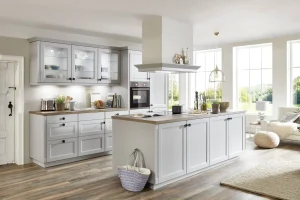
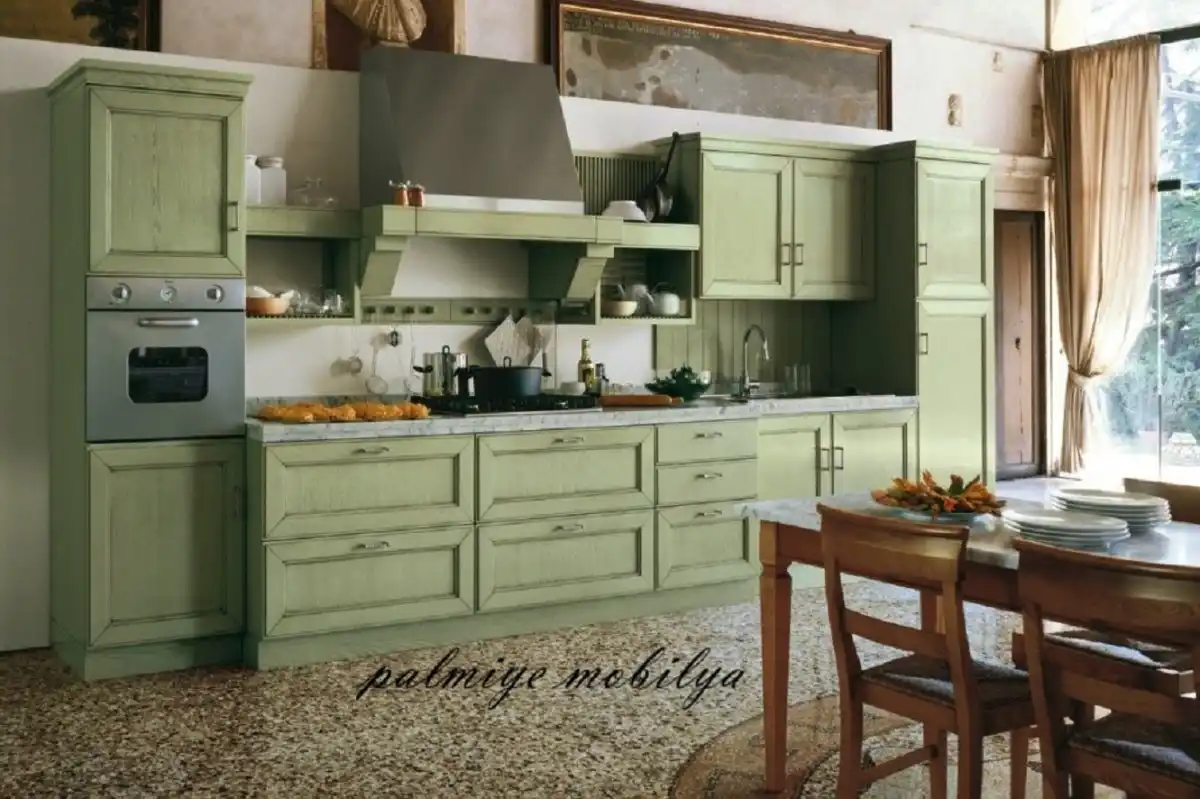
Country Kitchen Cabinet Turkey
Country Kitchen Cabinet Turkey: The Comprehensive Engineering, Design, and Procurement Guide for Timeless Shaker and Traditional Cabinetry Systems
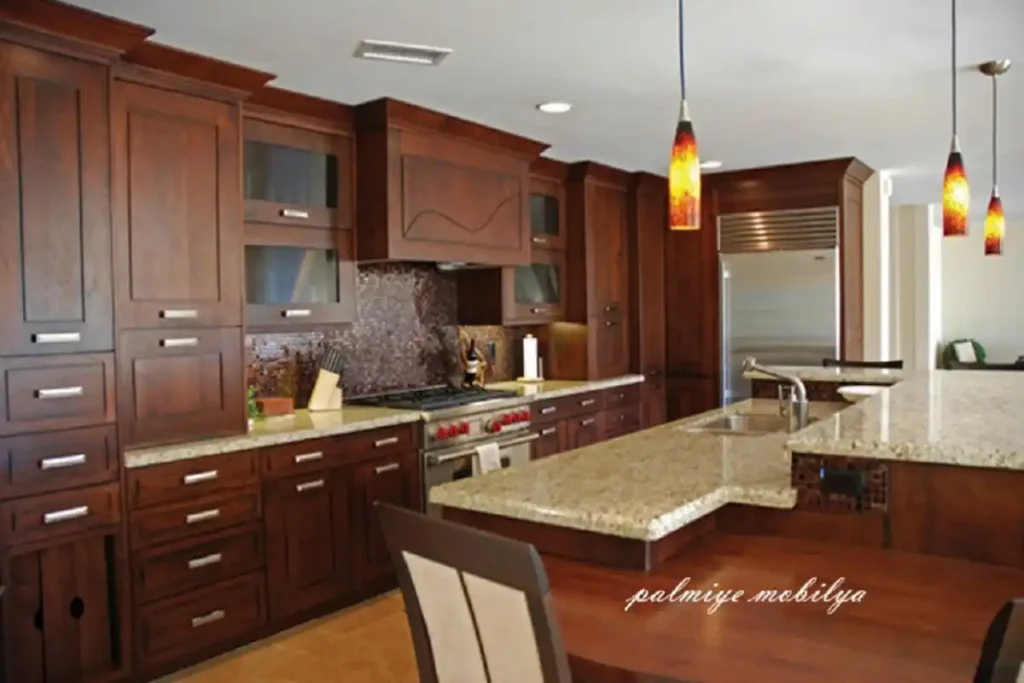
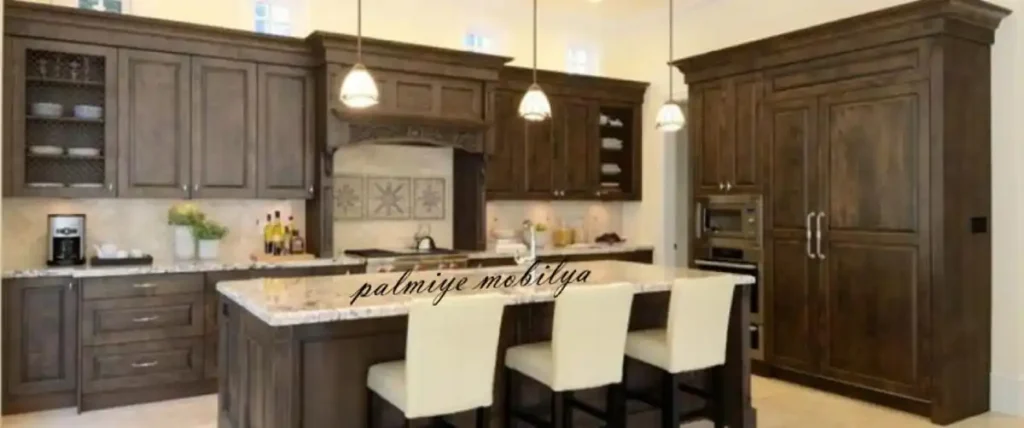
The traditional country kitchen remains one of the most enduring design aesthetics in global residential architecture. Unlike modern minimalist styles that rely on stark lines and flat planes, the country or farmhouse kitchen celebrates architectural depth, tactile wood grains, detailed profile moldings, and a warm, inviting atmosphere. [1, 2]
However, executing a traditional design today does not mean reverting to old manufacturing methods. Modern country kitchens require an intricate fusion of classic styling—such as five-piece shaker doors and detailed cornices—with advanced material engineering, heavy-duty soft-close hardware, and high-precision CNC machining. [1, 2, 3, 4]
Turkey has positioned itself as a premiere global manufacturing hub for this specialized market. The Country Kitchen Cabinet Turkey sector uniquely balances advanced industrial wood processing, massive local resources for premium wood panels, and a rich heritage of fine joinery craftsmanship. [1, 2]
This technical guide provides a deep dive into the engineering, material science, surface finishing, and procurement dynamics of Turkish-manufactured country kitchen cabinetry. Whether you are an international property developer sourcing for a high-end suburban estate community, an interior architect drafting a bespoke rustic renovation, or a global furniture importer expanding your retail inventory, this analysis details every technical facet required to execute a flawless country kitchen.
1. Architectural Anatomy: The Design Pillars of the Country Kitchen
Traditional country cabinetry relies on visual depth and relief. While a modern handleless kitchen hides its structure, a country kitchen highlights its structural junctions, framework, and ornamental details. [1, 2]
Modern Slab Cabinetry:   [Flat Door Panel] + [Zero Frame] = One Monolithic Flat Surface
Country Shaker Cabinetry: [Stile & Rail Frame] + [Recessed Center Panel] = Multi-Dimensional Depth
The Architectural Components of Country Styling
When specifying a traditional kitchen layout, several non-negotiable architectural elements must be engineered into the modular cabinet setup:
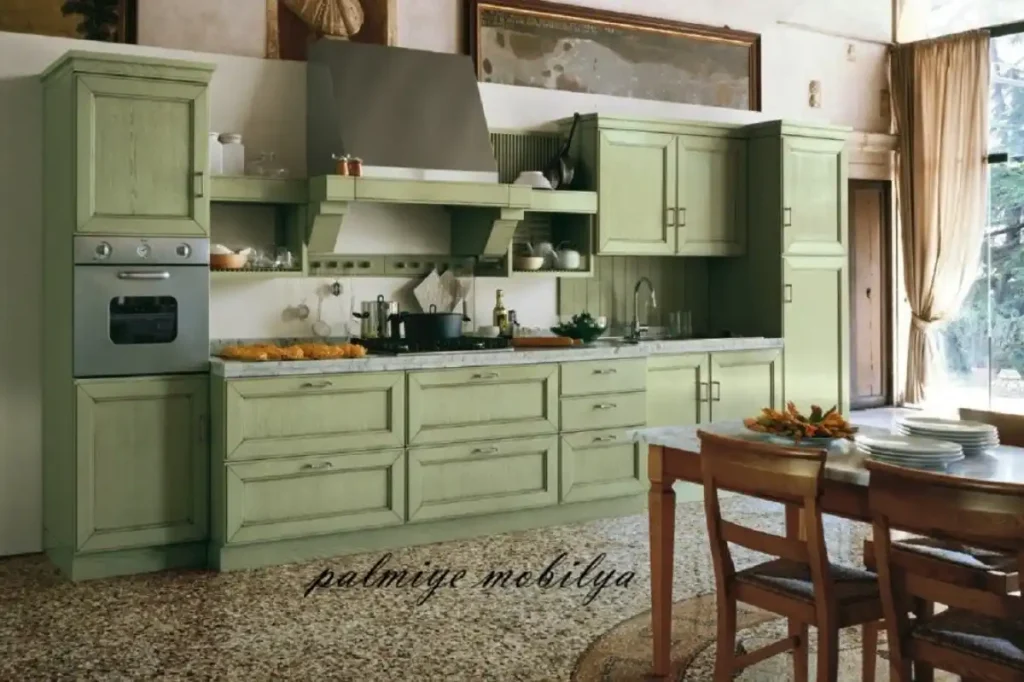
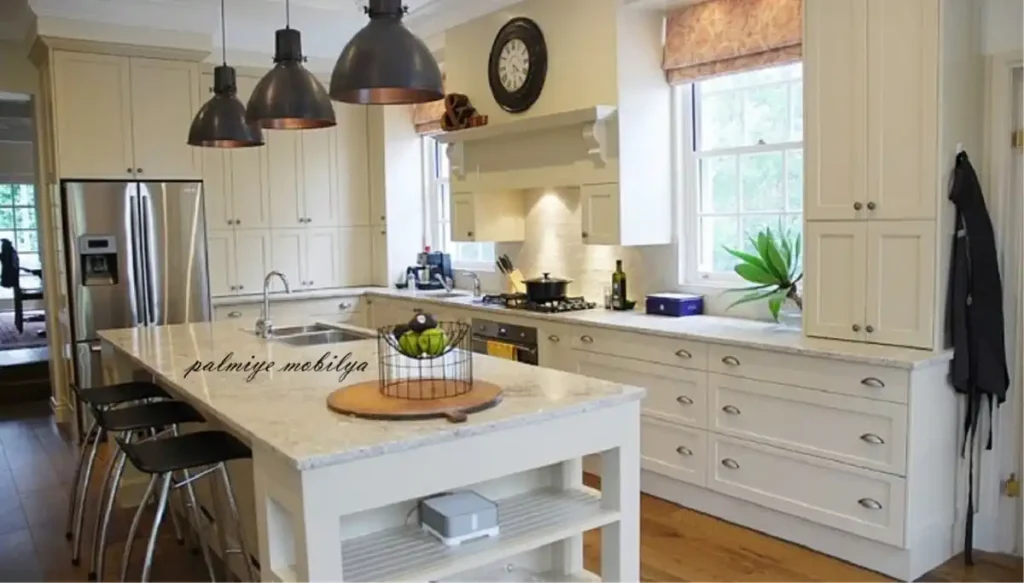
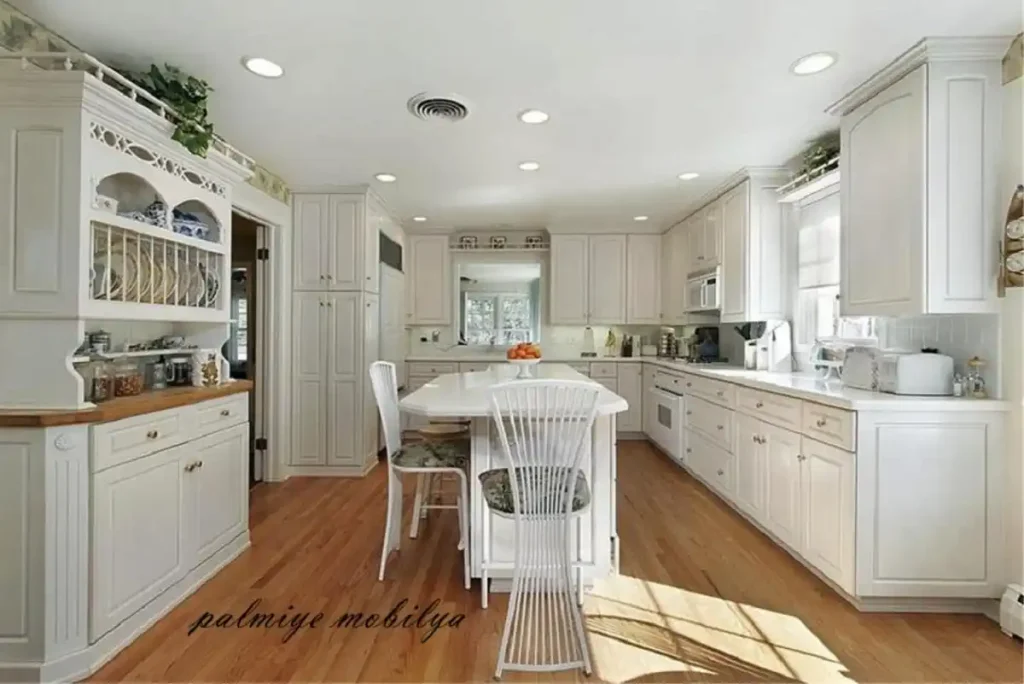
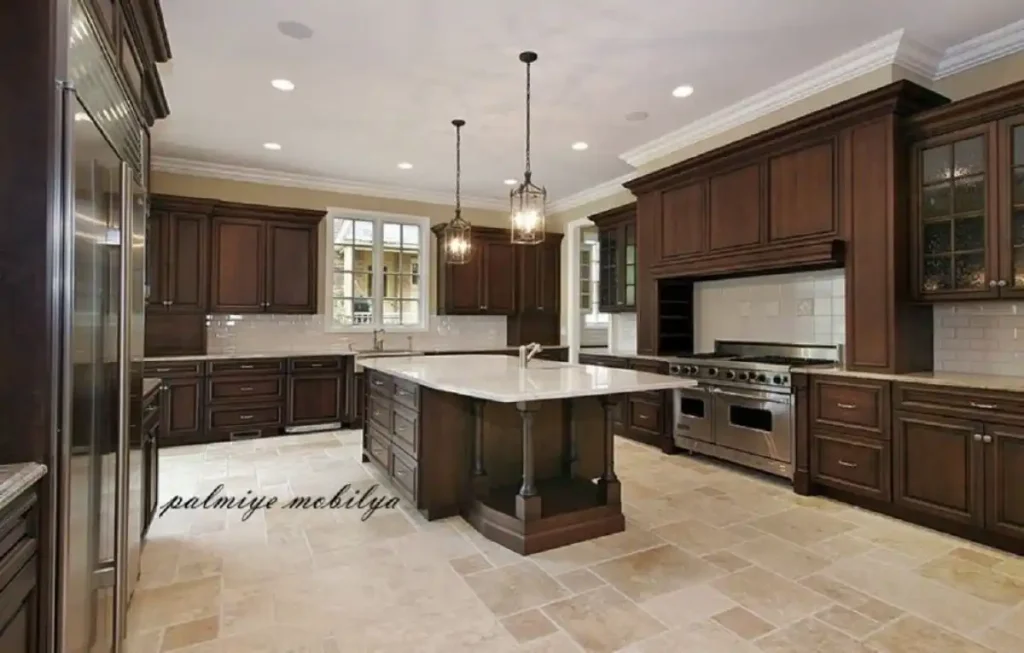
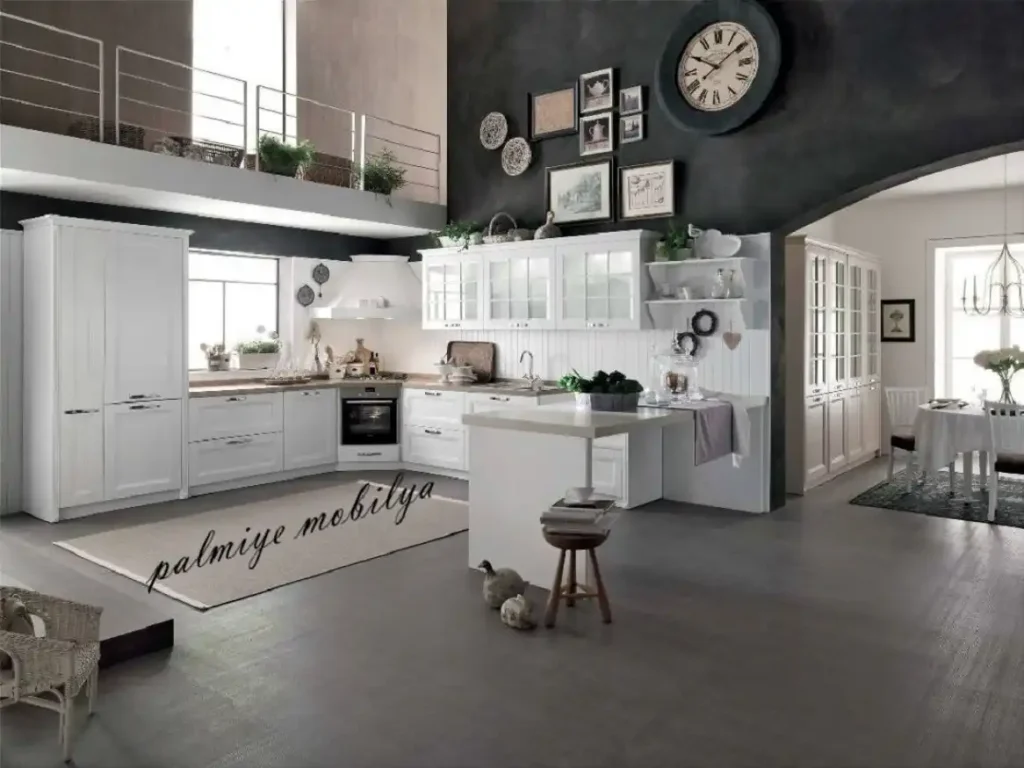
- Five-Piece Shaker Doors: The quintessential country look. The door consists of two vertical framing pieces (stiles), two horizontal framing pieces (rails), and a recessed or raised center panel. [1, 2, 3]
- Beaded Inset Framing: A more ornate variation where a delicate rounded bead detail is milled directly into the cabinet face frame surrounding the door leaf, providing an elite, custom-carpentered appearance.
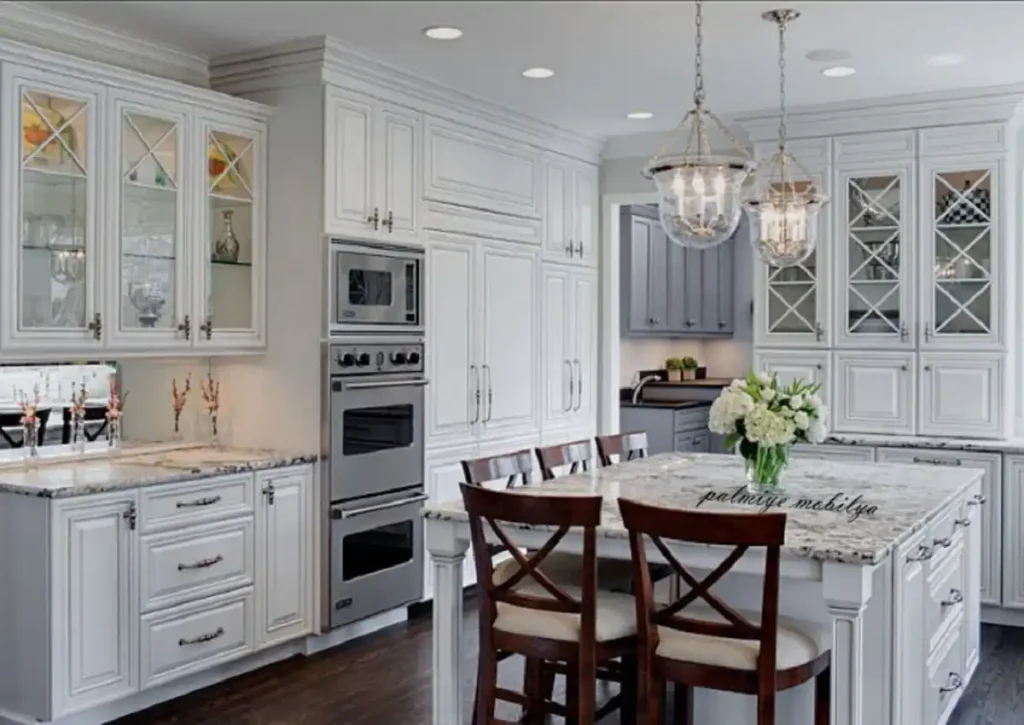
- Architectural Cornices and Pelmets: Crown moldings (cornices) cap off the tops of upper wall cabinets to tie them into the ceiling architecture, while light pelmets run along the bottom edges to conceal under-cabinet LED task lighting.
- Mullion Glass Doors: Upper display cabinets utilize geometric wooden grid frameworks (mullions) over tempered glass inserts, mimicking traditional window panes. [1, 2, 3]
- Decorative Mantels and Hood Surrounds: The cooking range area is treated as a focal hearth, enclosed by heavy decorative corbels, pilasters, and a wide faux-chimney mantelpiece that conceals modern high-capacity extractor fans. [1]
2. Substrate Materials: Balancing Solid Timber with Engineered Wood Cores
A major decision point when sourcing a Country Kitchen Cabinet Turkey system is selecting the core substrate. Traditional country kitchens look like solid wood, but modern climate fluctuations and humidity changes demand a smart blend of natural timbers and engineered composites to prevent warping and cracking. [1]
The Problem with 100% Solid Wood in Kitchens
Natural solid timber behaves dynamically. It absorbs and releases moisture based on local humidity and cooking steam. [1, 2]
- Cross-Grain Expansion: In a solid wood five-piece door, the large center panel expands and contracts at a different rate than the surrounding frame. Over a few years, this continuous movement can split the glued joints, crack the paint finish at the seams, and cause the door leaf to warp out of square.
The Modern Solution: Engineered Substrate Hybrids
To guarantee a lifetime warranty, premium Turkish factories build country cabinetry using high-performance material combinations: [1]
1. High-Density, Moisture-Resistant MDF (MR-MDF) Cores
For painted or lacquered country kitchens, high-density MR-MDF is the absolute industry standard substrate.
- CNC Deep Routing (Slab-Milled Shaker): Instead of assembly from five separate pieces, automated multi-axis CNC routers carve a traditional shaker profile directly out of a single, thick (22mm) monolithic slab of premium MR-MDF. Because the door is one solid piece, it has zero physical joints. This completely eliminates the risk of joint separation or paint cracking over time.
- Homogeneous Density: The dense, fine-grain core routes smoothly, leaving crisp, sharp profile radiuses that accept primers and lacquers flawlessly.
2. Solid Wood Frames with MDF-Core Center Panels (The Hybrid Five-Piece)
For country kitchens featuring natural wood stains (like oak, ash, or walnut), a hybrid setup provides the best performance.
- The Outer Frame: Engineered from solid kiln-dried European white oak, ash, or ash-wood sourced from sustainably managed Turkish forests. These hardwoods provide structural weight, realistic grain texture, and high impact resistance along the door edges.
- The Center Panel: Built from an MDF core over-laminated with a matching genuine wood timber veneer. Because the center panel’s core is engineered MDF, it remains completely stable and inert, preventing the door from warping while maintaining the rich visual texture of natural wood grain.
3. Surface Engineering: Finishes That Define the Farmhouse Aesthetic
The surface treatment of a country cabinet determines its character. While modern styles demand high-gloss sheets, country kitchens require specialized paint, lacquer, or membrane systems that highlight the profile contours and provide a soft, durable tactile feel. [1]
1. Polyurethane Matte Lacquers with Patina and Distressing
Lacquering represents the peak of premium craftsmanship in the Turkish furniture sector.
- The Lacquer Process: Panels undergo a meticulous multi-stage finishing process. A minimum of two coats of heavy water-blocking primers are applied, followed by precision mechanical sanding. Next, pigmented polyurethane matte topcoats (typically between 5 to 10 Gloss Units) are robotically sprayed to achieve a rich, velvety finish.
- Glazing and Patina Artistry: To accentuate the traditional look, skilled artisans apply a secondary accent glaze or “patina” by hand into the routed grooves of the panels. The excess glaze is wiped away, leaving a darkened shadow effect in the corners that highlights the architectural profiles and adds antique depth. [1]
2. Thermo-Plastic 3D Vacuum-Wrapped PVC/PET Membranes
For large-scale commercial real estate projects where cost efficiency and extreme durability are required, 3D vacuum membrane foils are a highly effective option.
- The Technology: A single sheet of high-grade, thick polymer foil is positioned over a pre-routed, adhesive-coated MDF shaker door. The panel is placed inside a heavy industrial vacuum press. Intense heat and suction draw the elastic foil perfectly into the deep profile grooves, wrapping seamlessly over the front face and all four outer edges.
- No Joint Failures: Because the foil encapsulates the face and edges in a single continuous skin, there are no edge-banding seams. This provides exceptional water-vapor resistance, making it an excellent choice for high-volume residential developments.
3. Wire-Brushed Open-Pore Stained Finishes
When a rustic, natural wood look is desired, Turkish manufacturers use specialized open-pore finishing techniques on ash or oak veneered doors.
- Wire Brushing: Heavy industrial wire brushes scrub the surface of the wood panel, raking out the softer springwood fibers and deepening the natural grain valleys.
- Staining and Matte Sealing: A deep penetrative stain is applied to color the wood, followed by a non-yellowing acrylic matte clear coat. This seals the timber against cooking grease and moisture while leaving the deep, rugged, tactile texture of the natural wood grain fully open to the touch.
4. Hardware Physics and Traditional Internal Layout Integration
A country kitchen may look antique on the outside, but its interior mechanics should be completely modern. The heavy weight of thicker shaker doors and ornate profile panels requires high-capacity hardware lines to ensure smooth, effortless operation. [1, 2, 3]
High-Capacity Soft-Close Kinematics
- Heavy-Duty Adjustable Hinges: Thicker 22mm shaker profiles and solid timber frames add substantial weight to a door leaf. Turkish cabinetry exporters integrate premium, multi-spring concealed hinges equipped with adjustable hydraulic soft-close cylinders. These hinges allow for precise three-dimensional adjustments (height, side, and depth) to keep the door reveals perfectly aligned.
- Double-Wall Tandem Drawer Box Systems: Country kitchens frequently utilize deep, wide drawers to store heavy pots, cast-iron pans, and stoneware. Turkish suppliers install under-mount, synchronized full-extension slide networks (such as Samet Flowbox or high-tier European lines) that support dynamic loads ranging from 40kg to 70kg without sagging. [1, 2, 3, 4]
Traditional Country Drawers: High Kinetic Mass --> Synchronized Full-Extension Slides --> 70kg Load Capacity
Smart Internal Storage Modules for Country Kitchens
Traditional styling optimizes efficiency by integrating highly functional storage hardware inside classic cabinetry modules:
| Storage Module | Architectural Intent | Hardware Mechanism | Storage Benefit |
|---|---|---|---|
| Pull-Out Larder Tower | Behind a tall shaker pantry door | Full-extension central steel chassis with adjustable solid-bottom baskets | Displays an entire pantry’s contents in one smooth pulling motion |
| The Classic Belfast Sink Base | Accommodates a heavy ceramic apron-front sink | Reinforced internal steel corner braces and water-resistant plastic drip tray liners | Protects the structural box against weight stress and plumbing moisture |
| Solid Wood Cutlery Inserts | Inside premium main drawer units | Modular dividers crafted from solid beech, walnut, or oak lacquered timbers | Elegantly organizes fine silver, knives, and kitchen tools |
5. Architectural Spatial Planning and On-Site Component Tolerances
Executing a successful country kitchen installation requires careful consideration of structural dimensions and clearing zones during the spatial planning phase. [1]
Navigating Countertop Overhangs
Unlike modern kitchens where countertops sit flush with the doors, traditional country styles utilize an intentional countertop overhang.
- Standard Specification: The countertop should extend 35mm to 50mm past the main cabinet carcass frame. This provides a classic architectural silhouette and ensures that any liquid spills on the worktop drip cleanly down onto the floor, bypassing the detailed profile details on the drawer fronts below.
Architectural Fillers and Out-of-Square Walls
Traditional homes or rustic farmhouses rarely possess completely square 90-degree walls or level subfloors.
- Scribe Fillers: Turkish country cabinetry configurations include matching, solid-facia scribe fillers (typically 50mm to 100mm wide). Installers cut and shave these pieces on-site to follow the exact contours of an uneven or bowing wall, filling the gap cleanly without creating ugly gaps.
- Pilasters and Base Blocks: To create a custom, furniture-like appearance, base cabinets can be flanked by decorative vertical pilasters that terminate in square base plinth blocks, grounding the cabinetry layout visually.
Wall Surface (Uneven/Bowing)
~~~~~~~~~~~~~~~~~~~~~~~~~~~~~~~~~~~~~~~~~~~~~~~~~~~~~~~~~~~~~~~
   | Custom Scribed Filler Piece (Shaved on-site to match wall contour)
---------------------------------------------------------------
[ Decorative Vertical Pilaster Module ]
---------------------------------------------------------------
[ Traditional Shaker Base Cabinet Unit ]
6. The Turkish Manufacturing Ecosystem: Industrial Automation and Global Agility
Turkey has established itself as an international manufacturing giant for modular and bespoke cabinetry by merging high-capacity automation with strategic supply chain access. [1]
Major Production Clusters
The Country Kitchen Cabinet Turkey industry is concentrated within several highly specialized industrial hubs:
- İnegöl & Bursa: Known as the furniture capital of Turkey. This region contains a complete supply ecosystem, linking panel mills, timber drying kilns, advanced lacquer processing hubs, and component manufacturers within immediate geographical proximity.
- Kayseri: Home to massive industrial parks configured for high-volume modular production, capable of delivering large-scale real estate contract orders with rapid turnaround times.
- Istanbul & Kocaeli Regions: Focus heavily on high-end bespoke customization, premium hand-wiped patina glazing, and complex architectural engineering for luxury residential markets.
Advanced Woodworking Machinery Infrastructure
While the final product radiates rustic charm, the production line of a top-tier Turkish kitchen exporter is an exercise in high-tech automation:
- Automated Storage and Retrieval Systems (ASRS): Raw material boards are managed and fed into production by robotic overhead vacuum crane arrays, optimizing speed and preventing panel damage.
- Multi-Axis CNC Machining Centers: Highly accurate nesting machines rout intricate shaker profiles, drill hinge pilot holes, and detail glass mullion grids simultaneously out of large substrate sheets with sub-millimeter precision.
- Dust-Free Automated Spray Lines: Primers and lacquers are applied in pressurized, dust-free cleanrooms utilizing reciprocating spray arms, followed by ultraviolet (UV) or thermal curing ovens to create an exceptionally durable, chip-resistant finish.
7. Procurement Analysis, Cost Matrix, and the B2B Value Proposition
For international B2B buyers, real estate developers, and wholesale distributors, procurement from the Turkish market offers a highly competitive value-to-specification ratio.
Structural Sourcing Cost Matrix
[Engineered Substrate/Core: 25%] + [Premium Lacquer / Grain Finish: 35%] + [High-Capacity Functional Hardware: 25%] + [Logistics & Protection: 15%] = 100% Total Cost
Why Turkey Offers Significant Strategic Value
- Lower Total Operational Overhead: Turkey maintains highly competitive labor, energy, and facility costs relative to Western Europe, allowing factories to pass those savings directly down to international buyers.
- Abundant Raw Material Access: Because Turkey is a massive domestic producer of high-grade MDF, particleboard, and refined surface foils, manufacturers source core materials directly in local currency. This minimizes exposure to global import tariffs and supply chain delays.
- Logistical Efficiency: Turkey’s geographical location provides a major advantage over trans-Pacific alternatives. Direct trucking networks can deliver orders to Central Europe within 4 to 7 days, while weekly container ship sailings reach the UK in 10 to 14 days and the United States East Coast in 18 to 24 days.
8. Logistical Protection and Export Packaging Standards
Transporting highly detailed country cabinetry with protruding cornices and delicate painted profiles requires multi-layered protective packaging to ensure products arrive on-site in pristine condition.
[Cabinet Component] -> [Anti-Static Foam Wrap] -> [High-Density EPS Corner Pads] -> [5-Ply Corrugated Box] -> [Palletized Shrink Enclosure]
- Surface Interleaving: Every painted or veneered face panel is separated by soft micro-foam sheets to eliminate vibration-induced friction scratches during shipping transit.
- Molded Foam Corner Protectors: High-density expanded polystyrene (EPS) corner blocks wrap around all edges of the cabinetry, providing a heavy impact barrier that safeguards intricate profile details.
- Heavy-Duty Palletization: Orders are stacked securely on reinforced wooden pallets, braced with structural cardboard edge-bars, and completely sealed in heavy industrial stretch-wrap to protect the wood products from sea-air humidity and moisture during ocean freight routes.
9. Comprehensive On-Site Installation and Preventive Maintenance
The success of a premium country kitchen relies heavily on precision calibration during on-site installation. Traditional details leave no room for installation errors. [1]
Step-by-Step Professional Alignment Sequence
Step 1: 360-Degree Laser Leveling
- Mapping: Map the room using a self-leveling cross-line laser array to identify the absolute high and low points of the floor and walls.
- Base Setup: Adjust the cabinet leveling feet so all base units form a perfectly flat plane. If the boxes are misaligned by even 1mm, the long horizontal countertops and decorative cornices will not line up straight. [1]
Step 2: Carcass Locking and Wall Anchoring
- Binding: Clamp adjacent cabinet boxes tightly together using heavy-duty face-frame clamps, then lock them together structurally using male-to-female furniture connector sleeve screws to create a monolithic block.
- Wall Fixing: Secure the unified framework directly into the wall studs using structural wood screws, utilizing high-impact shims to fill any gaps caused by uneven plasterwork.
Step 3: Detailed Molding and Hardware Calibration
- Miter Cutting: Cut decorative cornices and light pelmets using a high-tooth miter saw blade to ensure crisp, gap-free 45-degree corner joints. Secure them from the inside of the cabinet using low-profile framing screws.
- Kinematic Tuning: Fine-tune the built-in 3D adjustments on the soft-close hinges and drawer slides to establish a perfectly uniform 3mm shadow reveal between all traditional profile panels.
Long-Term Maintenance and Preservation Protocols
To ensure a traditional country kitchen retains its beauty for decades, follow these preventive care guidelines:
- Humidity Control: Kitchen environments experience rapid shifts in steam and moisture. Always run extraction hoods during cooking operations and wipe away any condensation pooling under wall cabinets immediately.
- Dishwasher Steam Mitigation: Avoid cracking open a dishwasher immediately after its cleaning cycle finishes. The sudden release of concentrated, superheated steam can eventually weaken glue lines and stress paint finishes on adjacent panels over time. Let the unit cool down internally first.
- Correct Cleaning Formulations: Clean traditional doors exclusively with an ultra-soft microfiber cloth slightly dampened with lukewarm water and a 1% solution of mild, pH-neutral liquid soap. Never use abrasive scrubbing pads or aggressive chemical cleaners containing ammonia, acetone, or bleach, as these will degrade the protective lacquer finish.
10. Conclusion: Securing Sourcing Success with a Turkish Supplier
Sourcing a Country Kitchen Cabinet Turkey system offers global real estate developers, contractors, and wholesale kitchen distributors a powerful solution for delivering classic style alongside modern engineering efficiency. By leveraging Turkey’s immense industrial scale, high-density stable cores, and advanced lacquer finishing systems, international buyers can deliver premium traditional spaces that meet the highest standards of durability and luxury. [1, 2]
To guarantee complete success when finalizing your manufacturing and procurement agreements, prioritize these foundational operational guidelines:
- Select Substrates by Finishing Type: Specify single-piece routed MR-MDF panels for painted lacquer styles to prevent joint cracking, or wood-veneered stable cores paired with solid hardwood frames for stained rustic looks.
- Incorporate Classic Architectural Profiles: Ensure your order lists include matching cornices, light pelmets, custom pilasters, and scribing fillers early in the design stage to guarantee a cohesive, high-end look.
- Mandate Premium Kinetic Hardware: Insist on heavy-duty, multi-spring concealed hinges and full-extension under-mount slides with high dynamic load ratings to comfortably handle the weight of traditional profiles.
- Align Packaging with Project Schedules: Choose flat-pack packaging to maximize container shipping space, or pre-assembled rigid boxes to minimize expensive installation labor costs on the construction site. [1]
By merging timeless design with advanced material technology and precise installation tolerances, your traditional country kitchen will stand as a resilient, highly functional centerpiece of the modern home.
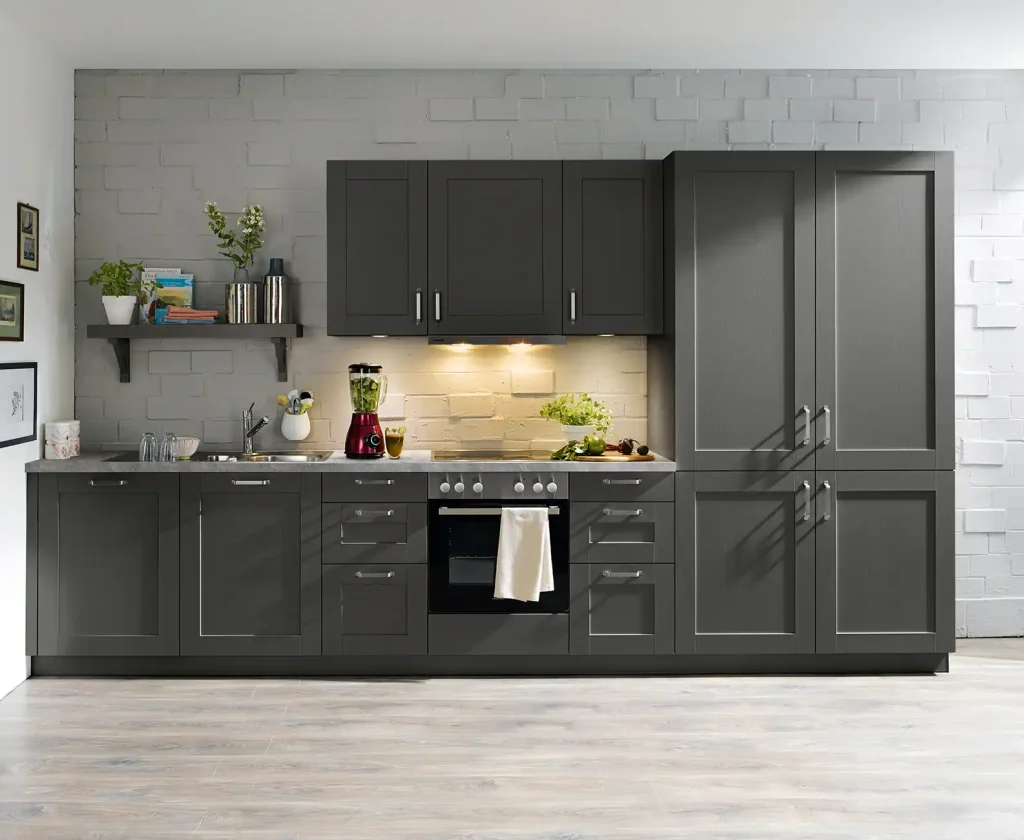
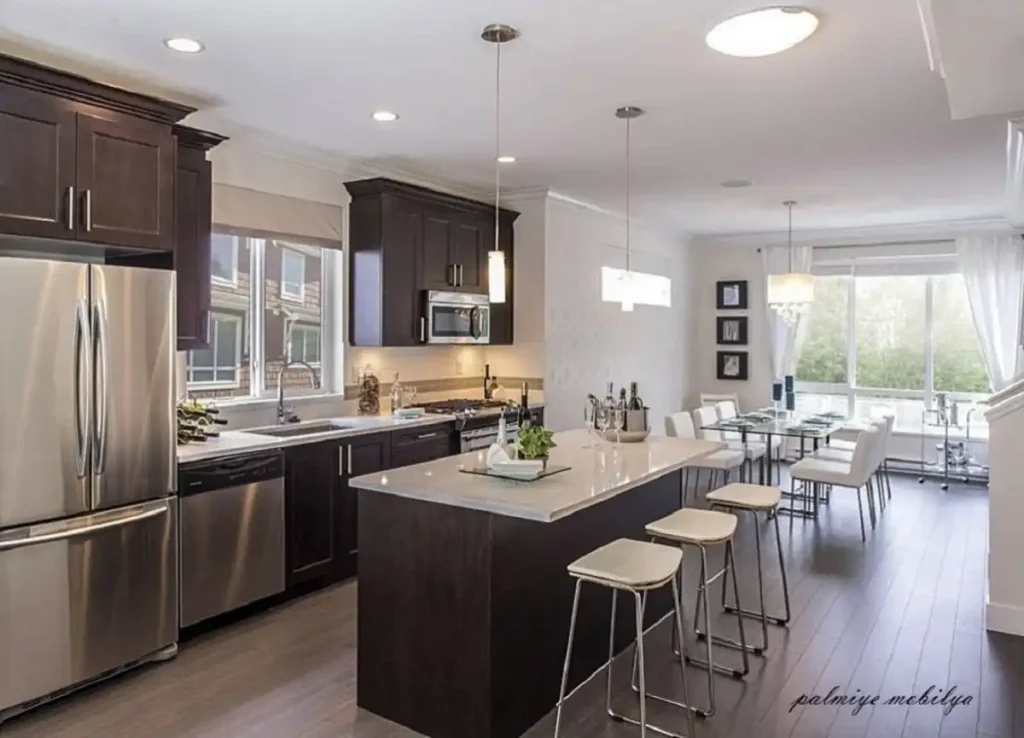


Etiket:Acrylic Kitchen Cabinet Turkey, Bathroom Cabinet Models Turkey, Bathroom Cabinet Prices Turkey, Bathroom Cabinets Export Import Turkey, Bathroom Cabinets Turkey, High Gloss Kitchen Cabinet Turkey, Kitchen, Kitchen Cabinet Models Turkey, Kitchen Cabinet Prices Turkey, Lacquered Kitchen Cabinet Turkey, Membrane Kitchen Cabinet Turkey, Modern Bathroom Cabinet Turkey, Modern Kitchen Cabinet Turkey, Natural Wood Kitchen Turkey, Solid Wood Kitchen Turkey, Wood Veneer Kitchen Cabinets Turkey, Wooden Bathroom Cabinet Turkey, Wooden Kitchen Cabinet Turkey

Şunları da sevebilirsiniz
Lacquered Room Doors Production Turkey
Solid Wood Door Turkey